


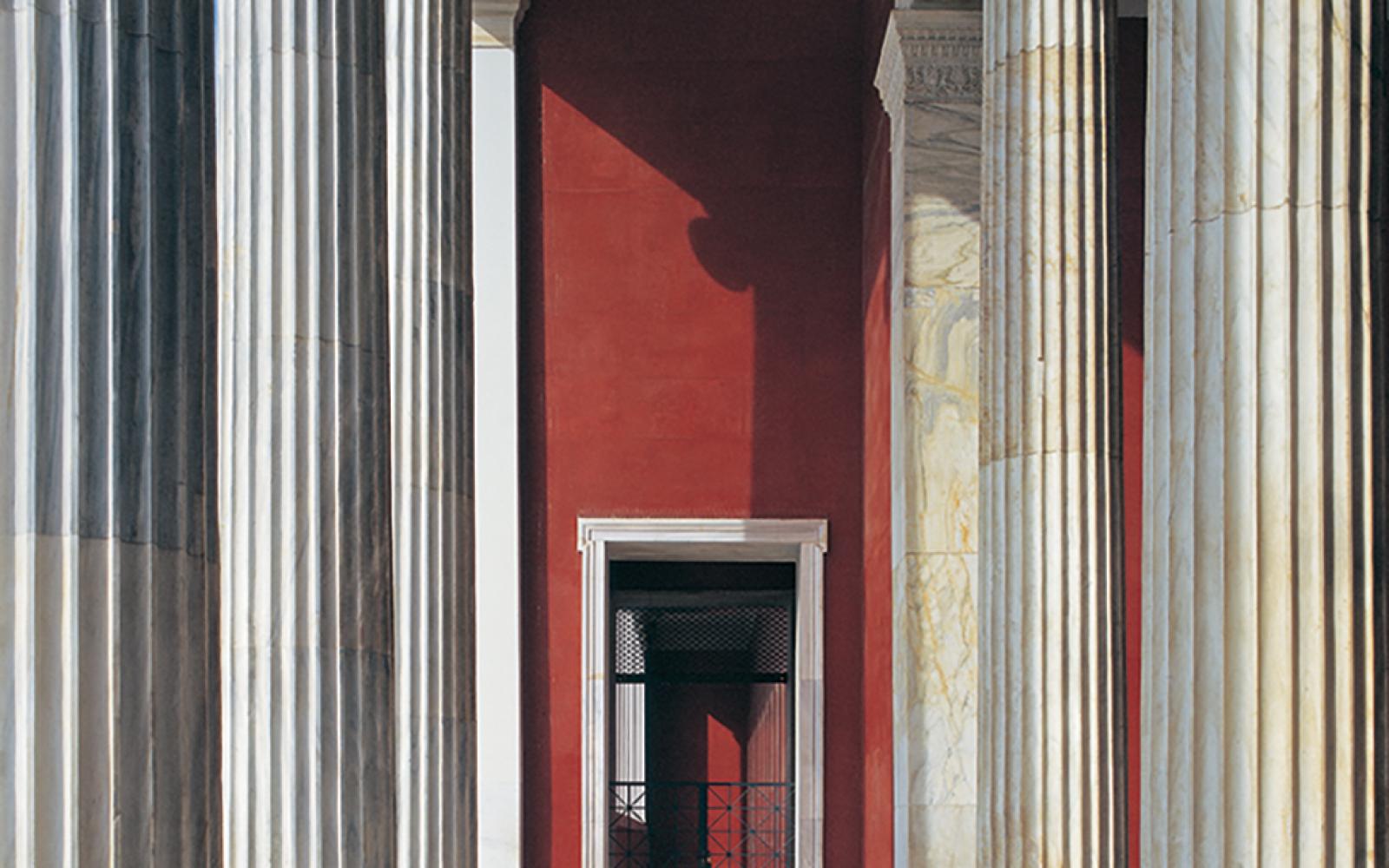
The Legacy of Ernst Ziller
A German architect and philhellene shaped Athens’ identity with iconic buildings that remain timeless masterpieces.
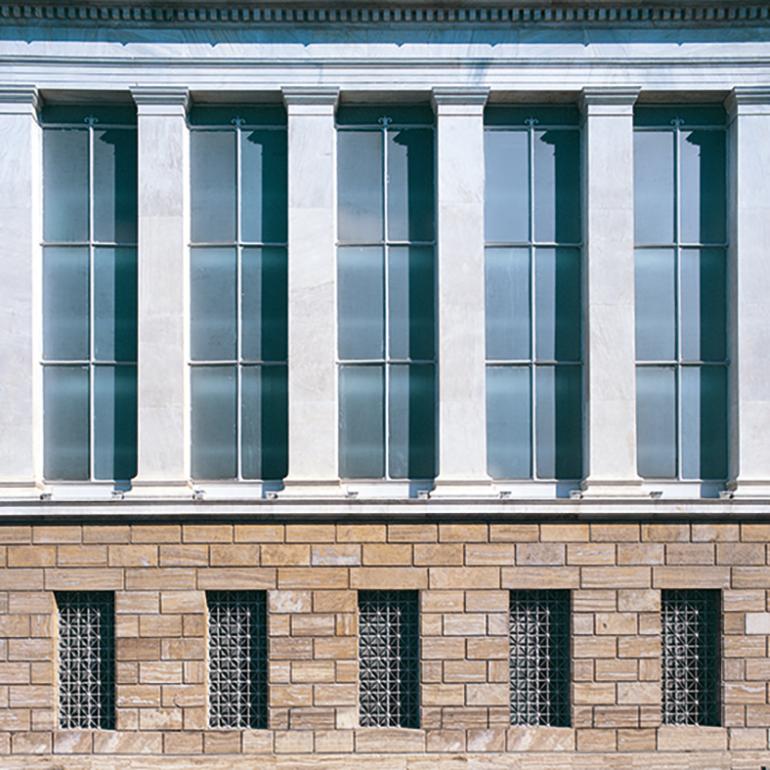
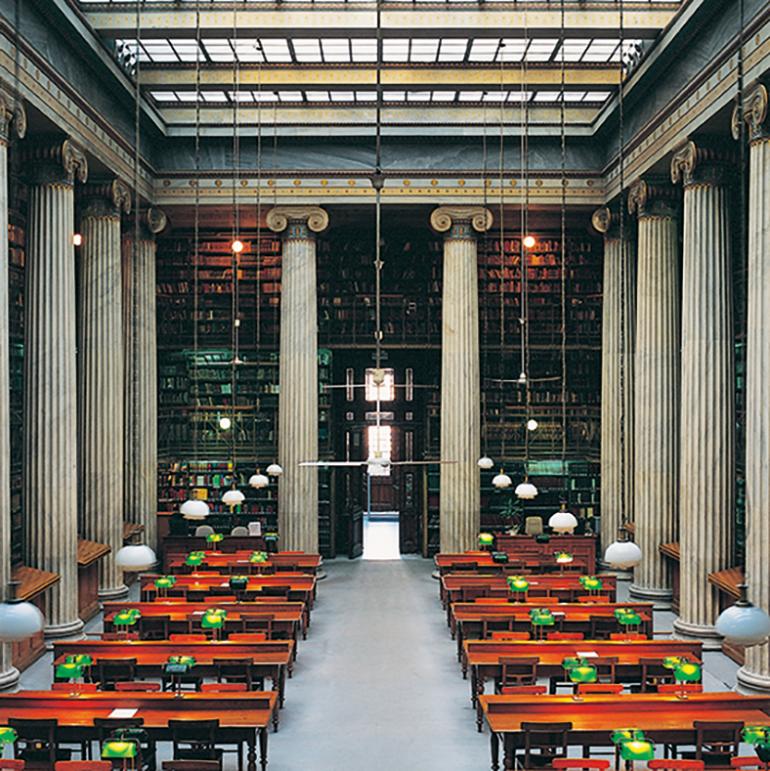
The young capital of the Greek state was still “a large village” when 24-year-old Ernst Ziller first arrived in Greece in February 1861, as he would later write in his memoirs. Born in Oberlößnitz, a small town in Saxony, and a prize graduate of the Royal Academy of Fine Arts in Dresden, Ziller was sent to Athens by his mentor and employer in Vienna, the Danish architect Theophil Hansen. His mission was a significant one: to oversee the construction of the Academy of Athens, a project undertaken by Hansen’s office.
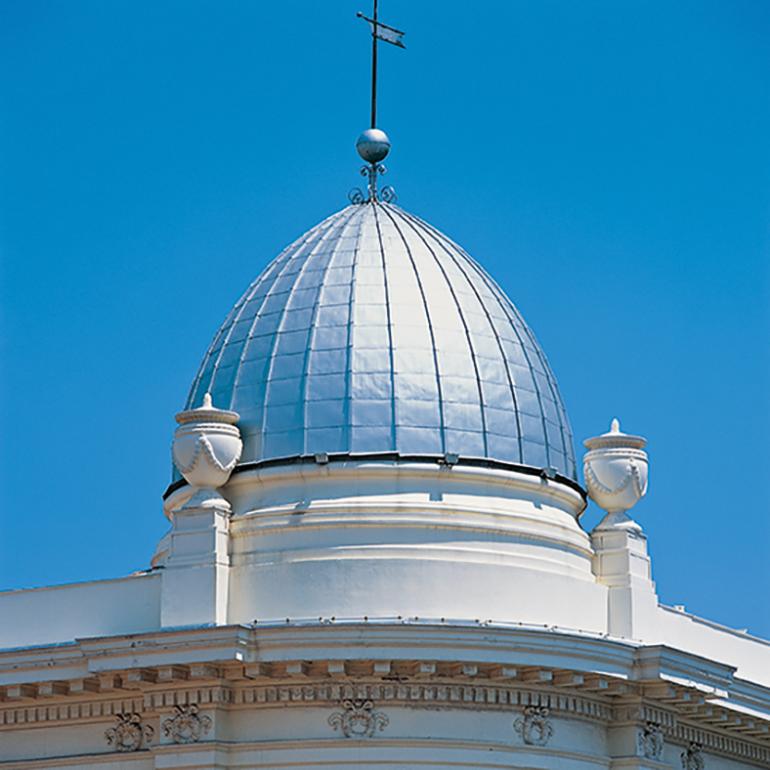
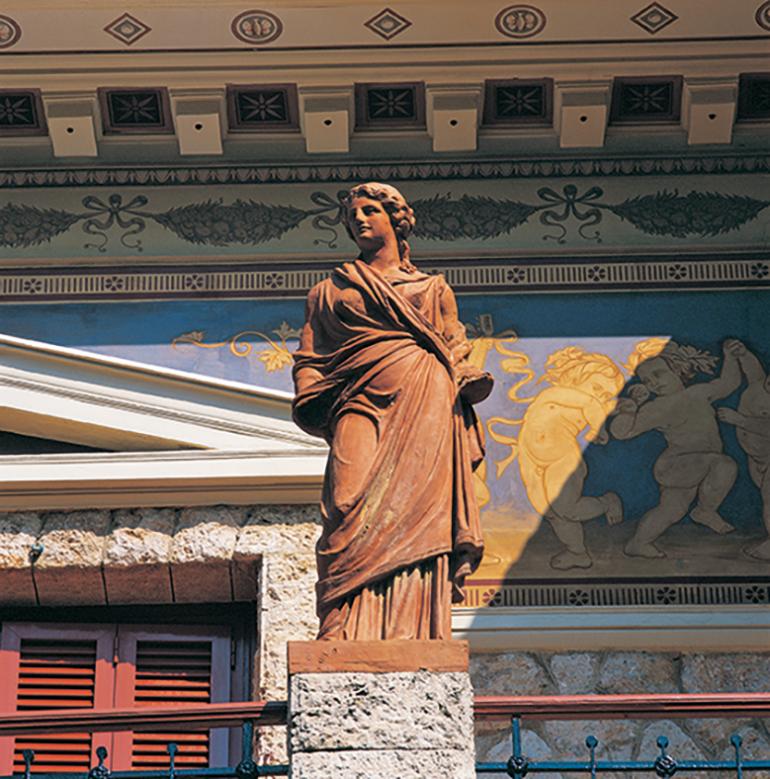
During his walks around the city, Ziller, a passionate student of Greek history, discovered the Parthenon, the Erechtheion, the Temple of Hephaestus, and additional temples, theatres, statues, and other masterful monuments standing proudly under the clear sky of Attica. He studied them, excavated them, documented their forms, curves, lines, and decorative motifs. His architectural work, spanning the second half of the 19th century and the early 20th century, drew inspiration from ancient Greek and Byzantine traditions. Ziller masterfully blended these influences with elements of the Renaissance, creating a distinctively eclectic style. He was the first to introduce artificial ventilation and central heating to Greece, to use iron supports in construction, and to adorn his buildings with cast-iron railings featuring designs inspired by mythology.
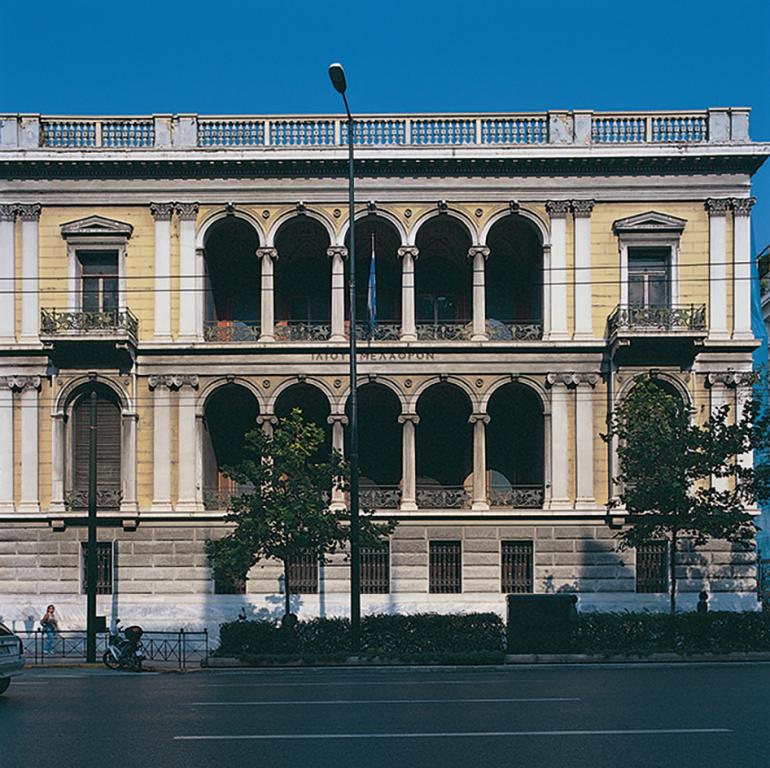
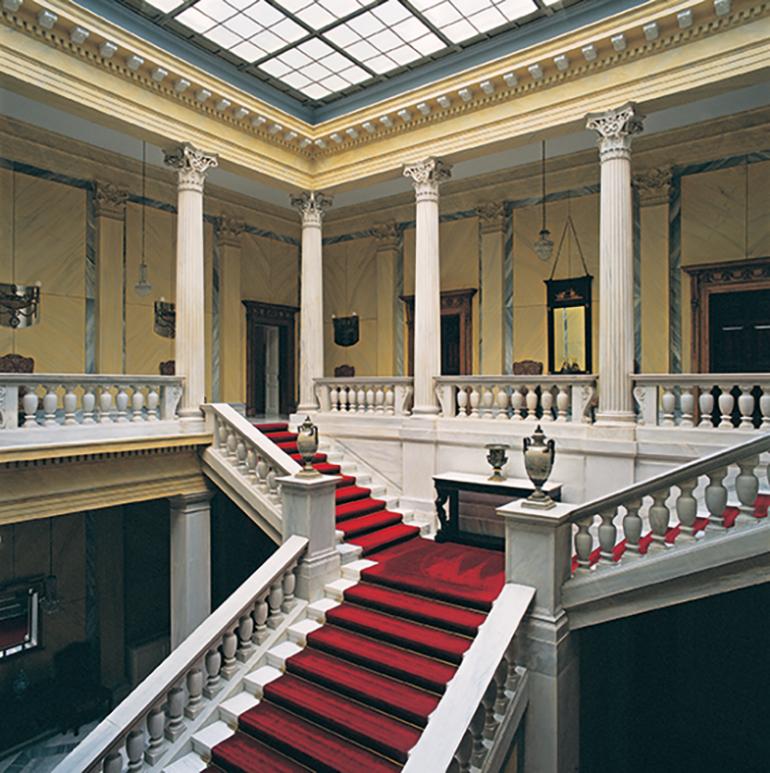
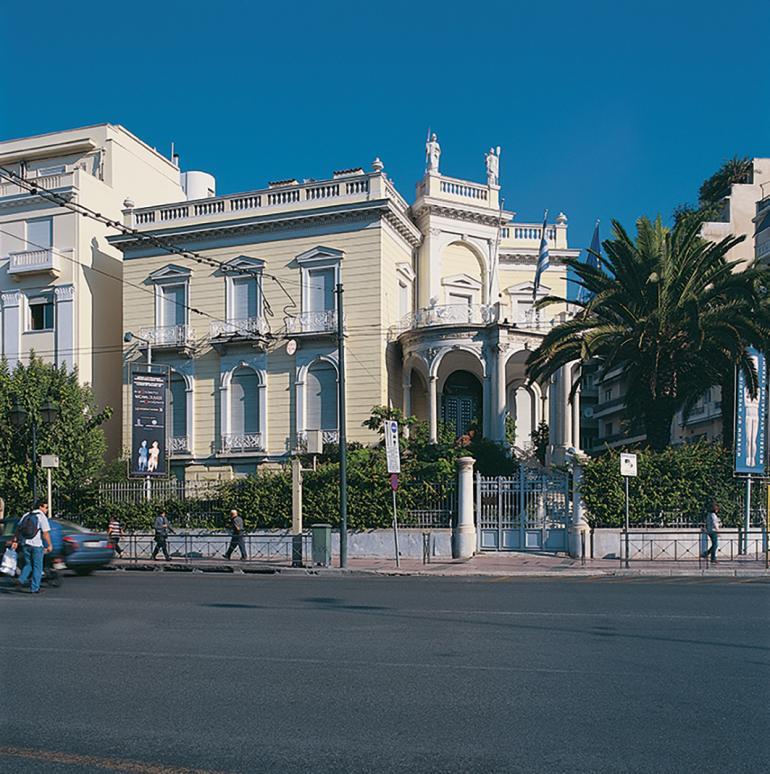
His popularity among the emerging bourgeoisie of the Greek state, especially after designing and constructing the magnificent Palace of the Crown Prince (now the Presidential Mansion), cemented his reputation. This led to hundreds of commissions for public buildings, private residences, and grand villas. In total, Ziller designed and constructed more than 500 buildings across Greece, most notably in Athens, leaving an indelible mark on the city’s architectural identity. Among these are the grand and eclectic Royal Theatre (now the National Theatre), the Melas Mansion in Kotzia Square (the largest private building in Athens at the time, costing a staggering 1,000,000 drachmas to construct), and the masterful three-story Schliemann Mansion (now home to the Numismatic Museum). There is also the Stathatos Mansion (now the Museum of Cycladic Art, one of the most important examples of 19th-century neoclassical architecture in the city), and the Stefanos Psychas Residence, also known as the Little Palace (a splendid urban mansion from Ziller’s mature period, now housing the Italian Embassy).
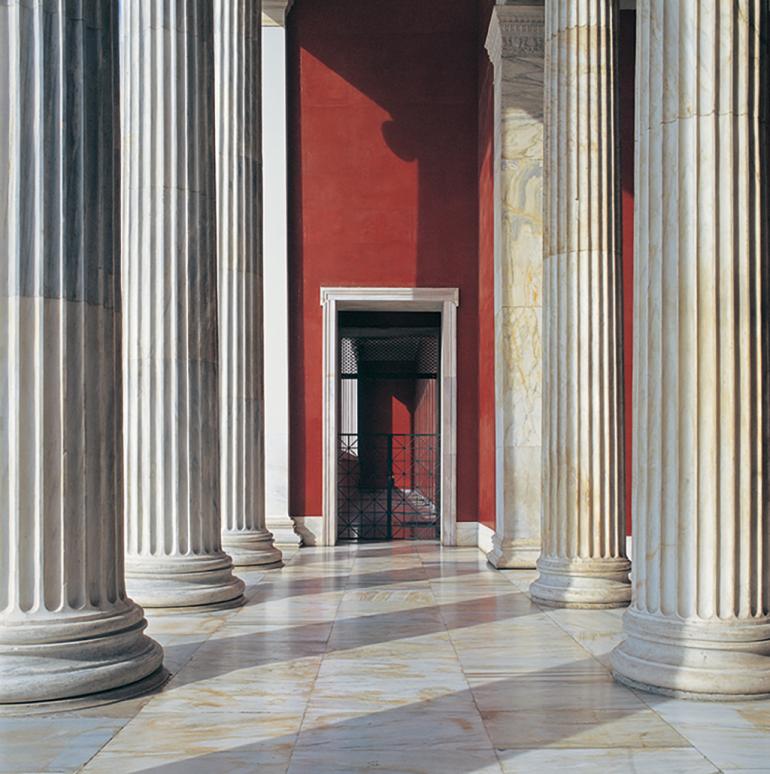
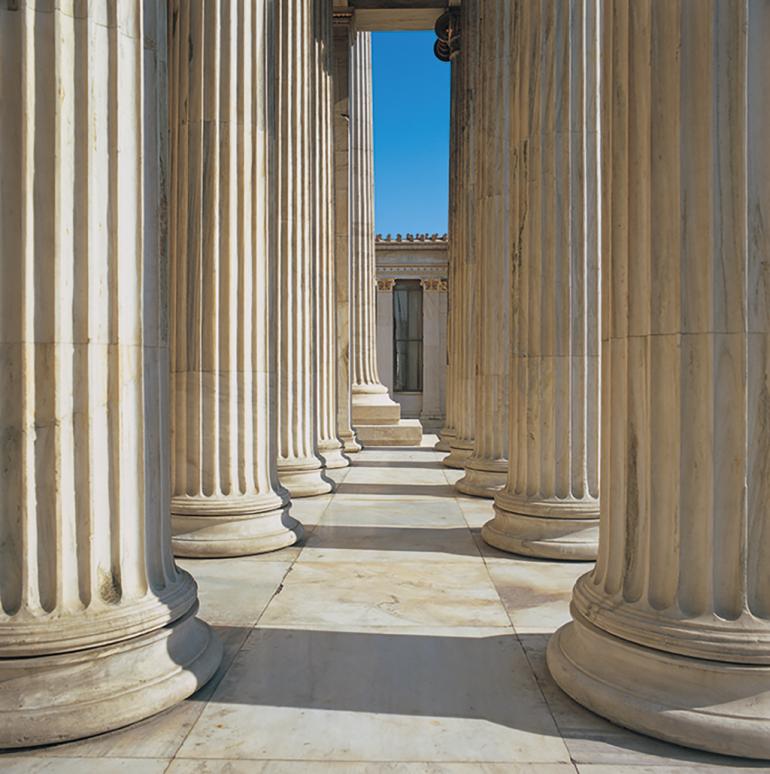
Other landmarks include the Andreas Syngros Mansion (now the central building of the Ministry of Foreign Affairs), the Bageion and Alexandros hotels in Omonia, the German Archaeological Institute, and the Deligeorgis Mansion (formerly the Film Archive). These buildings –true works of art– defined an emerging European metropolis.
_______________________________________
TEXT : KALLIA KASTANI
PHOTOS : YIORGIS YEROLYMBOS
YOU MAY ALSO LIKE
A PLACE – AN ETERNITY
The Multi-Talented Nikos Aliagas
LOUIS VUITTON